How to Upcycle Furniture: A Beginner's Guide
Learn how to transform old furniture with confidence
Have you ever looked at an old piece of furniture and wondered, “Could I upcycle that?”
If you are new to furniture upcycling, knowing where to start can be the hardest part. There are lots of different paints, techniques and opinions online, and it can be difficult to know what really matters when you are looking at your first project.
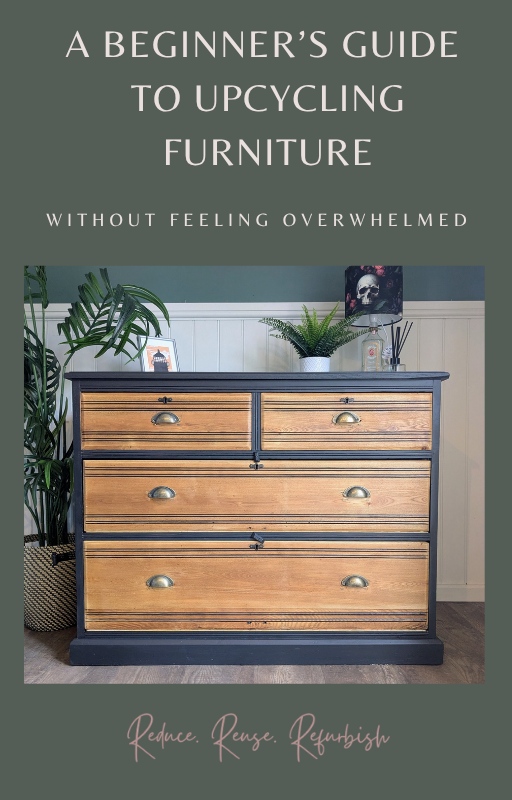
Our beginner's guide to upcycling furniture has been created to help you understand the process before you get started.
With more than 9 years of hands-on experience professionally upcycling and restoring furniture, we have transformed hundreds of vintage and pre-loved pieces in our own workshop. Our digital guide brings together the practical knowledge we have gained along the way, helping beginners understand what to consider before starting their own furniture upcycling project.
Whether you have found an old chest of drawers, bedside cabinet, table or cupboard, the right approach can completely change the way you see it.
What is furniture upcycling?
Furniture upcycling is the process of transforming an existing piece of furniture rather than replacing it.
An old or unwanted piece can often be given a new lease of life through painting, repair, restoration or other creative changes. Instead of simply throwing furniture away because it looks dated, upcycling allows you to look at its potential and create something that works for your home.
Many older pieces of furniture have interesting shapes, details and solid construction that make them worth considering for an upcycling project.
If you are looking for inspiration, take a look at our collection of professionally upcycled furniture to see some of the transformations we have created in our own workshop.
How do you start upcycling furniture?
Starting a furniture upcycling project involves more than simply choosing a colour and picking up a paintbrush.
There are several things worth considering before you begin, including the condition of the furniture, the materials it is made from, the existing finish and what you want the finished piece to look like.
The first decision is often choosing a suitable piece of furniture. Some pieces can be excellent candidates for upcycling, while others may need more repair or restoration work than a beginner expects.
Understanding what you are looking at before you buy or start work can save time, money and frustration later.
Our digital guide takes you through the key considerations involved in choosing and assessing furniture, so you can approach your first project with a much clearer idea of what to look for.
Choosing furniture to upcycle
Finding furniture with potential is one of the most enjoyable parts of upcycling.
A piece does not have to look beautiful when you first find it. Old paint, dated colours and tired finishes can often be changed. What matters is understanding the condition and potential of the furniture underneath.
When choosing a piece, it is worth considering its construction, condition, size and the amount of work it may require.
You should also look carefully for problems that may not be obvious at first glance. Damage, woodworm, unsuitable previous repairs and old finishes can all affect how you approach a project.
For beginners, choosing a manageable piece can make the experience much more enjoyable.
Our guide explains what to look for when choosing furniture to upcycle, including some of the potential problems that are easy to overlook when you are starting out.
Preparing furniture for upcycling
Preparation is one of the most important parts of furniture upcycling, but it is also an area where beginners can be tempted to rush.
The amount of preparation a piece needs will depend on its existing condition and finish. Cleaning, previous paint or varnish, surface damage and repairs can all affect how the furniture should be approached.
Getting this stage right can make a significant difference to the finished result.
Our beginner furniture upcycling guide explains the preparation stage in more detail, including what to consider before painting and some of the common problems that can occur when preparation is overlooked.
The aim is not to make you buy a long list of products or equipment. It is to help you understand what your furniture actually needs before you start.
Choosing paint for upcycled furniture
Choosing furniture paint can feel overwhelming when you first start upcycling.
There are many different products, colours and finishes available, and the right choice will depend on the furniture you are working with and the look you want to achieve.
A successful painted furniture project is not simply about finding a colour you like. The surface, existing finish, intended use and final appearance all need to be considered.
Our guide explains the key things beginners should understand when choosing paint and planning a painted furniture project, helping you make more informed choices rather than buying products you may not need.
If you are looking for furniture paint for your own project, you can explore our furniture paint collection.
Painting and finishing upcycled furniture
Painting can completely change the appearance of an old piece of furniture, but achieving a finish you are happy with requires more than simply applying paint.
Different pieces can present different challenges, and details such as edges, mouldings, drawer fronts and existing finishes can all affect the final appearance.
The finish you choose is also worth considering before you begin. Some furniture needs to withstand much more everyday use than other pieces, so the final finish should suit the furniture and how it will be used.
Our digital guide covers the key principles behind painting and finishing furniture, helping beginners understand what to consider before starting.
Common furniture upcycling mistakes
When you are learning how to upcycle furniture, it is easy to make mistakes.
Some of the most common problems come from rushing into a project without properly assessing the furniture first. Others happen when beginners buy unsuitable products, underestimate preparation or try to follow techniques without understanding why they are being used.
Common beginner problems include:
- Choosing furniture that requires more work than expected
- Underestimating the importance of preparation
- Buying tools or products that are not actually needed
- Choosing unsuitable paint or finishes
- Rushing between stages of a project
- Expecting professional results without understanding the process
The good news is that many of these mistakes can be avoided by understanding the basics before you start.
Our guide brings these considerations together in one straightforward resource, so you can learn from our experience rather than having to work everything out for yourself.
Furniture upcycling ideas for beginners
Your first project does not need to be complicated.
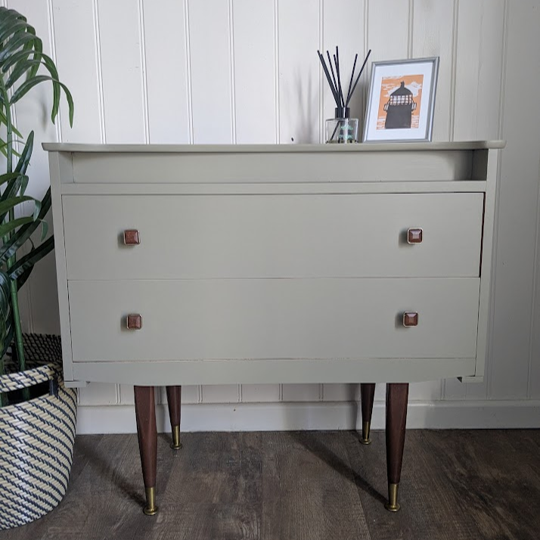
A small bedside cabinet, side table or chest of drawers can be a great way to start exploring furniture upcycling and learning what you enjoy.
Think about the furniture you already have access to and consider what could be changed. A new colour can completely alter the character of a piece, while details such as handles, contrasting colours or decorative finishes can create something more personal.
There is no single style of furniture upcycling. Some people prefer simple painted furniture, while others enjoy bold colours, traditional finishes or more creative transformations.
If you want to see how different pieces can be transformed, our hand painted and upcycled furniture collection includes examples of furniture we have professionally refurbished.
You can also explore our sold furniture gallery to see previous pieces and find inspiration for your own projects.
Learn from professional furniture upcyclers
There is no shortage of free information about furniture upcycling online.
The difficult part is often knowing which information to follow, what you actually need and how all the different stages fit together.
We have spent more than 9 years working with vintage and pre-loved furniture, from assessing pieces and preparing surfaces to painting, repairing and finishing furniture for customers throughout the UK.
That experience has taught us that successful furniture upcycling is about much more than paint.
Our digital guide brings together the foundations we believe every beginner should understand before starting a project.
What will you learn from our furniture upcycling guide?
Our downloadable guide is designed to give you a clearer understanding of the furniture upcycling process without overwhelming you with unnecessary information or products.
Inside the guide, we cover:
- Choosing suitable furniture for your first project
- What to look for when assessing an old piece
- Potential problems including lead paint, woodworm and damage
- The tools you really need to get started
- What to consider before preparing furniture
- The basics of painting wooden furniture
- How to approach choosing furniture paint
- When painting may not be the best option
- Choosing a suitable finish
- Common beginner mistakes and how to avoid them
Rather than searching through different websites, videos and social media posts for conflicting advice, the guide gives you these essential foundations in one practical resource.
Start your furniture upcycling journey
Learning how to upcycle furniture can open up a whole new way of looking at old and unwanted pieces.
A dated chest of drawers can become a colourful statement piece. A tired bedside cabinet can be given a completely different character. A piece that might otherwise have been overlooked can become something you are proud to have in your home.
The key is knowing what to look for and understanding the process before you begin.
That is exactly what our beginner's furniture upcycling guide is designed to help with.
Download our Beginner's Guide to Upcycling Furniture
Want to understand the process before starting your first project?
For just £5.99, our downloadable beginner's guide gives you a practical introduction to furniture upcycling, based on more than 9 years of professional experience.
It brings together the essential things we think beginners should understand, from choosing furniture and assessing its condition through to preparation, paint, finishes and common mistakes.
Instead of trying to piece together advice from different sources, you can have the key information in one straightforward digital guide.
Download your Beginner's Guide to Upcycling Furniture for £5.99 and start your first project with greater confidence.
The guide is delivered directly to your inbox. You will have up to 3 download attempts and 60 days to download and save your copy.




I'm absolutely blown away by the 'Beginners Guide to Upcycling'! I have a sentimental small piece of furniture that I've wanted to upcycle for a long time, but I've been too scared to try in case I messed it up. After reading through this guide I know I can't go wrong! It is literally step by step, with excellent tips, suggestions and recommendations. I'm now really looking forward to upcycling this item over the summer, knowing I'm in safe hands with Hannah and Graeme's guidance